
7 Influencer Marketing Mistakes Brands Make (and How to Fix Them)
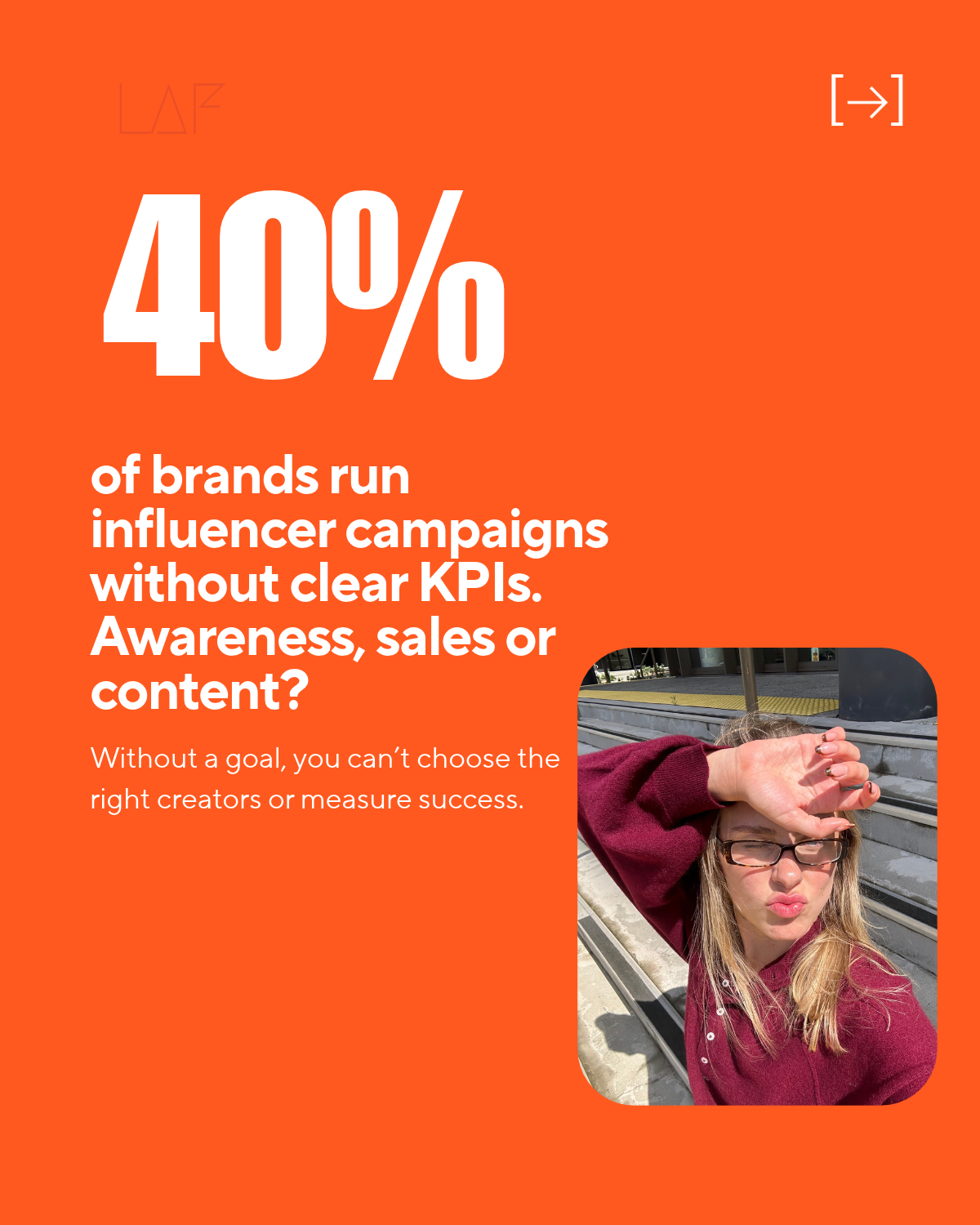
According to a 2025 survey of senior marketers at 70 global consumer brands, 44% of brands run influencer campaigns without clear KPIs. That's almost half of all campaigns starting without a definition of success.
The good news is that the most common mistakes are easy to fix. Here are the seven we see most often, and what to do instead.
1. Picking influencers by follower count
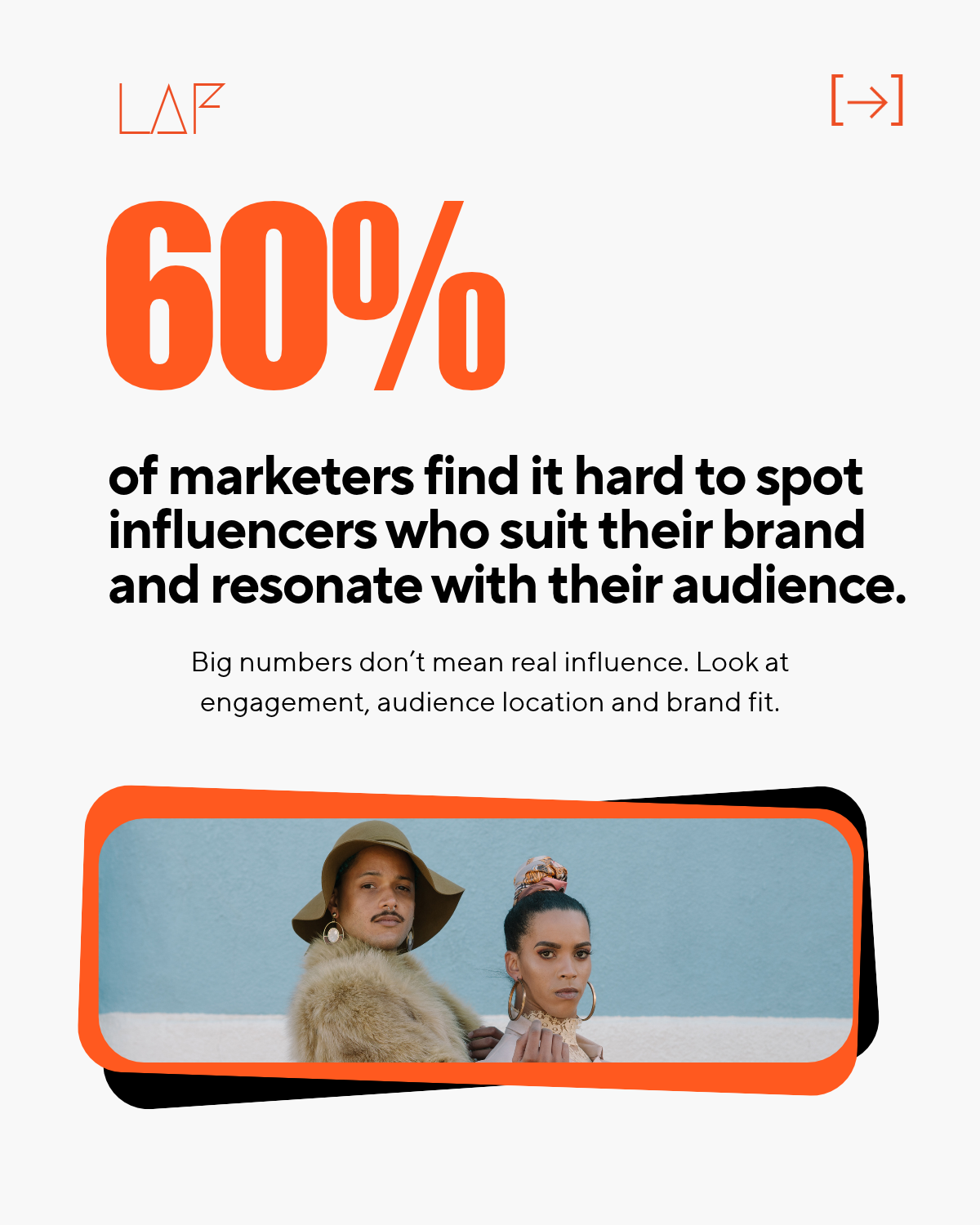
A big follower count looks impressive in a pitch deck, but it says very little about real influence. In the same survey, 60% of marketers said they find it hard to spot influencers who suit their brand and resonate with their audience.
Followers can be bought, audiences can sit in the wrong country, and a large account can have very low engagement. A smaller creator with a loyal, relevant audience will often deliver far more than a big name whose followers don't care about your product.
How to fix it: choose creators for audience fit and engagement, not size. Before you shortlist anyone, check their engagement rate, where their audience is based, and whether their content and values match your brand.
2. Starting without a clear goal
Is the campaign meant to build awareness, drive sales, or create content you can reuse in ads? Each goal needs different creators, different content and different measurement.
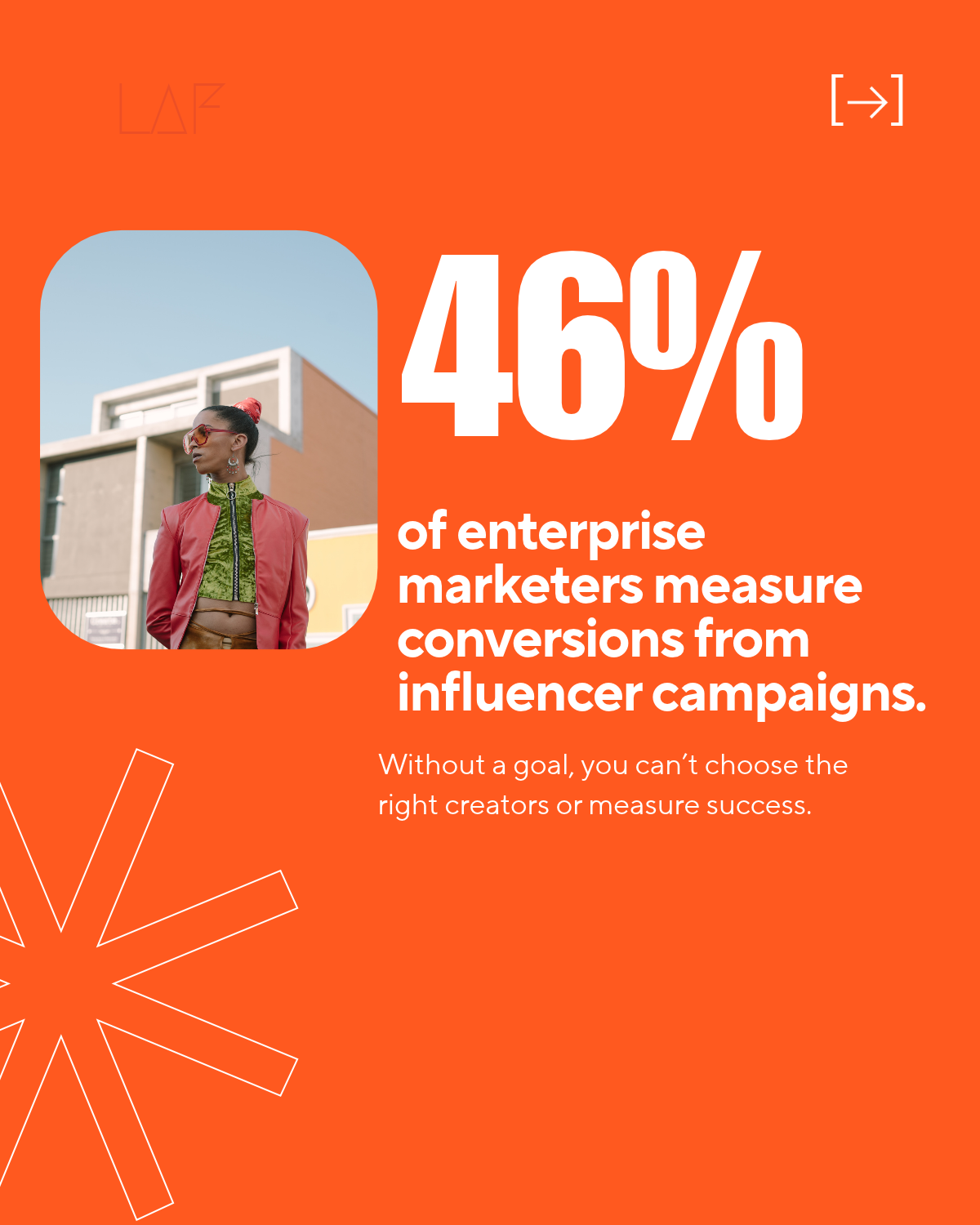
Without a goal, there's no way to judge success, and no way to choose the right people in the first place.
How to fix it: decide on the goal before you pick a single creator. Then set two or three KPIs that match it, such as reach for awareness, conversions for sales, or the number of usable assets for content.
3. Sending a vague brief
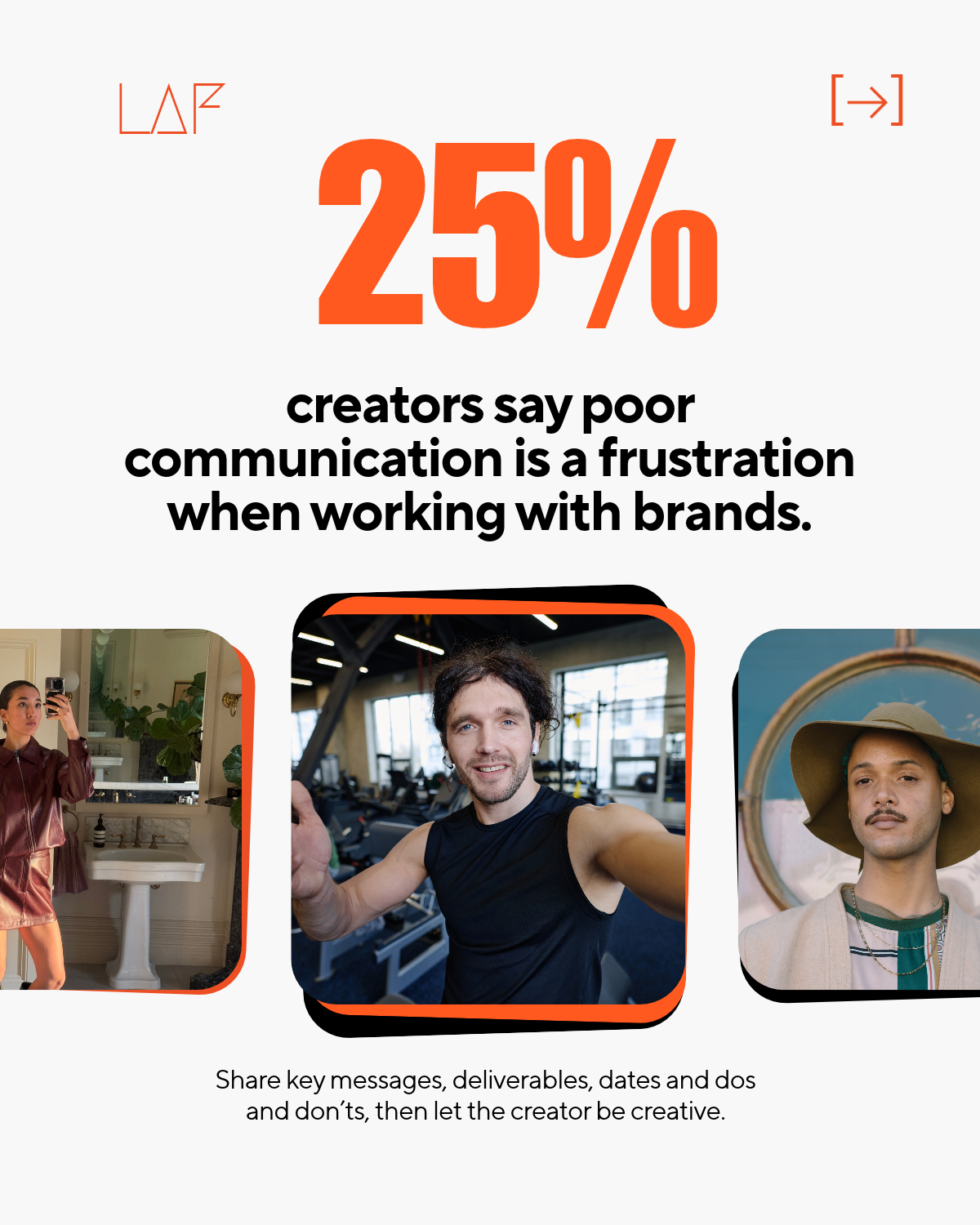
Creators can only deliver what they understand. In a 2025 survey of 500 creators, around 1 in 4 said poor communication is a frustration when working with brands, and about a third named unreasonable or excessive revisions as a pain point.
A vague brief leads to off-brand content, rounds of changes, missed deadlines and frustration on both sides.
How to fix it: give every creator a clear, one-page brief that covers:
The campaign goal and key message
Deliverables, formats and platforms
Dates for drafts and posting
Dos and don'ts, including any claims to avoid
How the content will be approved
4. Scripting every word
There's a fine line between a clear brief and a script. Audiences follow creators for their voice, and they can tell immediately when someone is reading a brand's lines.
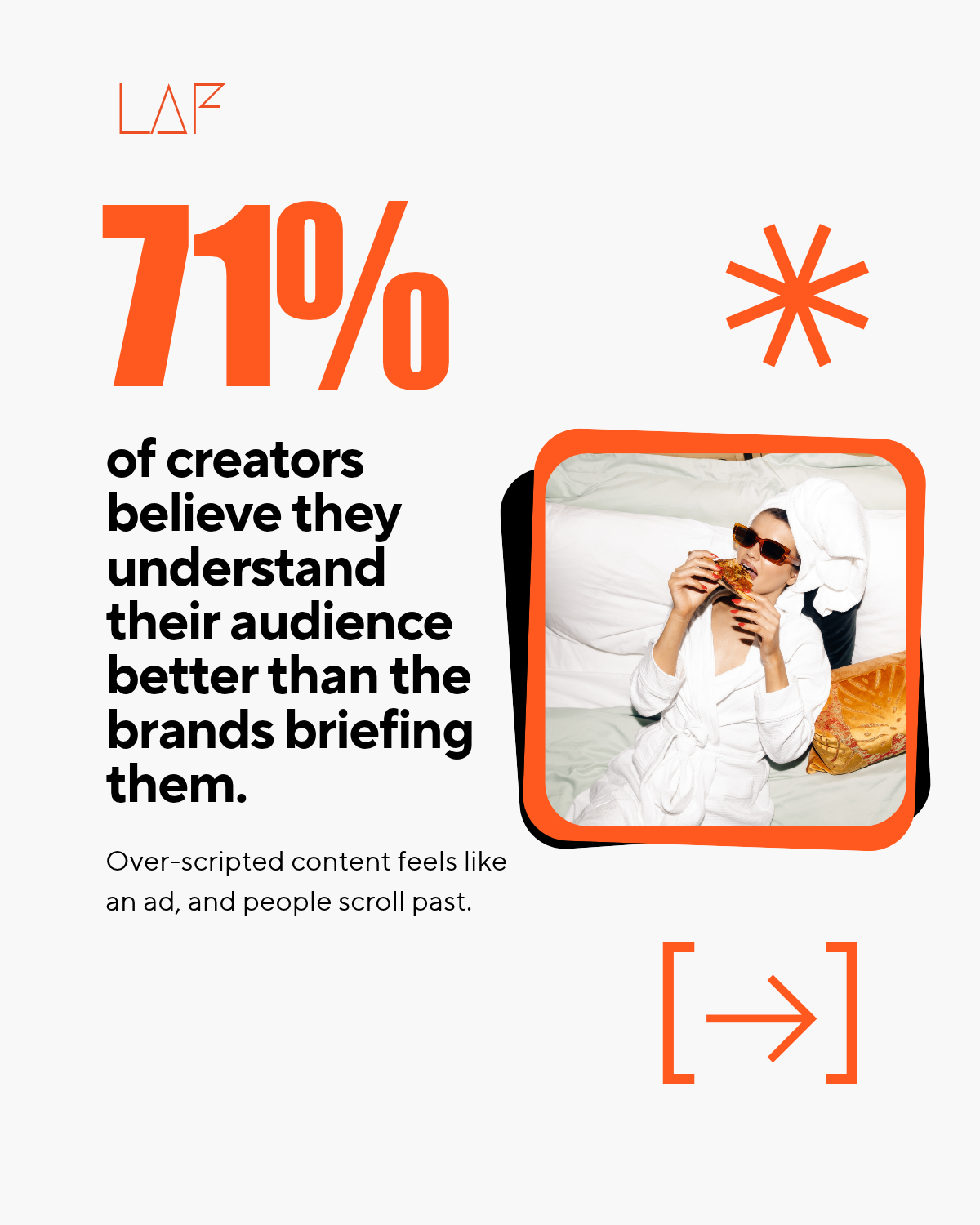
In a 2026 survey of 265 creators, 71% said they believe they understand their audience better than the brands briefing them, and half had turned down a brand deal over authenticity concerns.
Over-scripted content feels like an ad, and people scroll straight past ads.
How to fix it: set the guardrails, then trust the creator's voice. Agree on the message and the must-haves, and let the creator decide how to say it in a way their audience will believe.
5. Relying on one-off posts
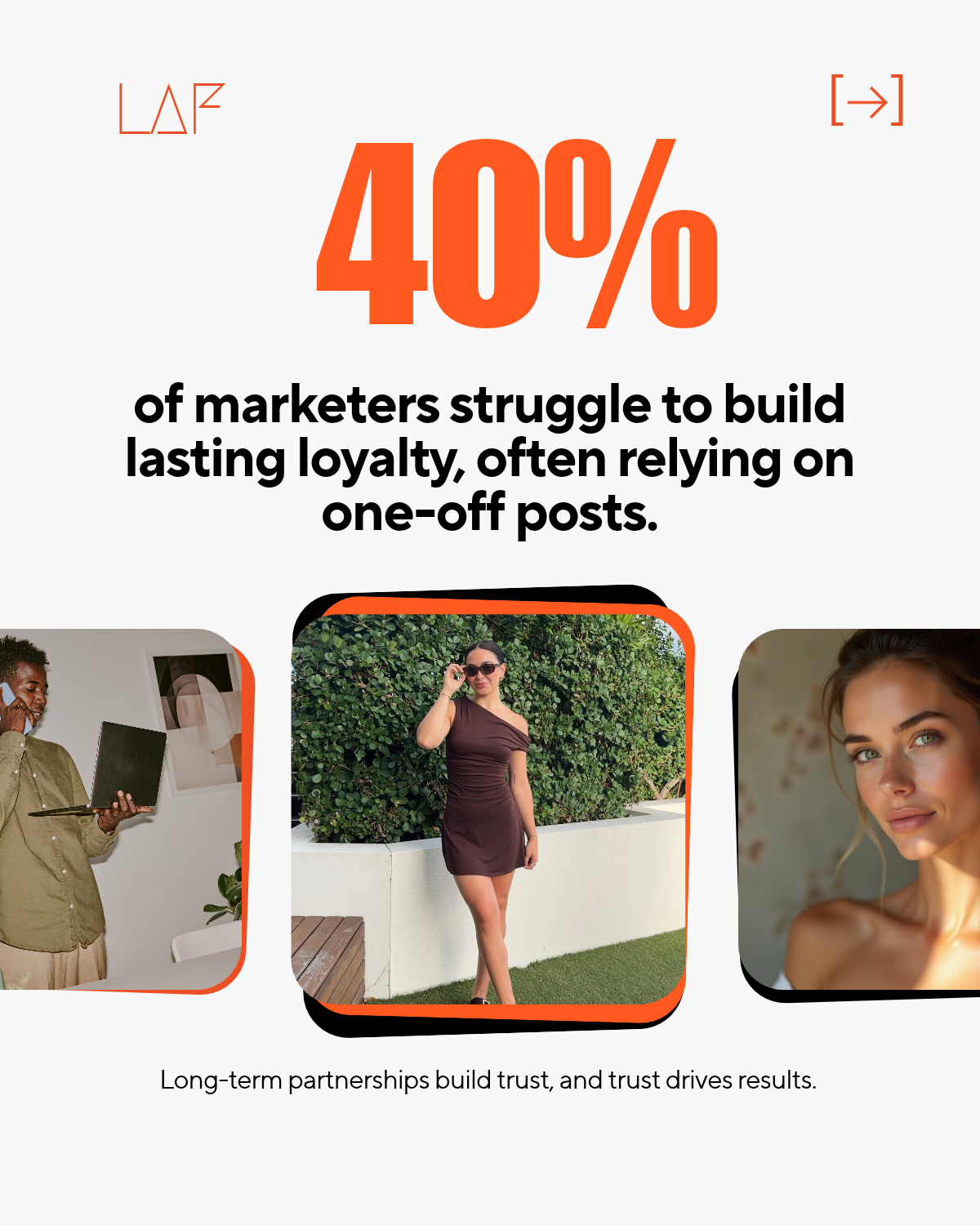
A single sponsored post rarely changes how anyone feels about a brand. 40% of marketers say they struggle to build lasting loyalty, often relying on one-off posts.
Trust is built through repetition. When a creator talks about a brand several times over months, their audience starts to see it as a genuine recommendation rather than a paid moment.
How to fix it: build long-term partnerships with a smaller number of creators who perform well. Creators want this too: in the 2025 creator survey, nearly three-quarters said they want long-term partnerships.
6. Measuring only likes
Likes and views are easy to report, but they rarely answer the question your leadership team cares about: did it work?
Among US enterprise marketers, only 46% measure conversions from their influencer campaigns, slightly fewer than those who track reach or engagement rate.
How to fix it: measure what matches your goal. That might be clicks, sales, sign-ups or discount code use. Also track the content itself: strong creator posts can be reused as ads, on your website and in emails, which adds value long after the campaign ends.
7. Skipping #ad rules
In the UK, paid influencer content must be clearly labelled as advertising. Even so, when the Advertising Standards Authority (ASA) reviewed influencer ads in 2025, 34% had no ad disclosure at all.
Getting this wrong isn't just the creator's problem. It can damage your brand's reputation and trust with the very audience you're trying to reach.
How to fix it: make disclosure part of every brief and every contract. Paid posts should be clearly labelled, for example with "#ad" at the start, and gifted products need proper labelling too.
Strategy comes before content
Influencer marketing works. But it only works when the strategy comes before the content.
The brands that get results do a few things consistently. They pick creators for fit rather than follower count, set a clear goal and brief from day one, build long-term partnerships, and measure what actually matters.
How LAF can help
At LAF, we bring talent, strategy and production together under one roof. We find and vet creators who fit your brand, plan campaigns around clear goals, and produce content that's built to perform, so your campaign is set up to win from day one.
Planning a campaign? Brief the Factory.
Sources
SAMY survey of senior marketers at 70 global consumer brands, 2025, reported by Decision Marketing
Influencer survey of 500 creators, 2025, reported by Marketing Brew
Social Soup survey of 265 Australian creators, 2026, reported by Marketing-Interactive
Linqia data on US enterprise marketers, 2024, reported by Net Influencer
Advertising Standards Authority influencer disclosure review, 2025, reported by LBC
